A pill is a small ball of fibres that forms on the surface of fabric. It is caused by abrasion on the surface of the fabric, and is considered an unsightly occurrence on furniture.

What causes pilling?
Loose fibres naturally move to the surface of a fabric, where friction causes them to twist together into small balls called pills. Fibres that remain attached to the fabric can become caught in these balls, anchoring them to the surface.
Friction occurs during everyday use as people rub against the upholstery. Laundering also creates friction as fabric surfaces rub together in the washing machine.
Pilling can be more noticeable on man-made fibres because their strength holds the pills firmly in place. Natural fibres tend to shed loose fibres more readily.
Should I send the fabric back?
Pilling is generally considered a normal characteristic of upholstery fabrics rather than a manufacturing defect. Warranty coverage varies by manufacturer, so always refer to the applicable product warranty.
Like the shedding that can occur with a new carpet, pilling may diminish as excess fibres are removed. It does not necessarily mean the fabric is wearing away or is of poor quality, and the pills can usually be removed.
How do I remove pilling?
A fabric shaver is a quick, cost-effective way to remove pills. These small appliances are available at many sewing stores and department stores. A pill comb is a manual alternative.
Follow the fabric manufacturer’s care instructions and the tool’s directions. Test on an inconspicuous area first and use gentle pressure to avoid damaging the fabric.
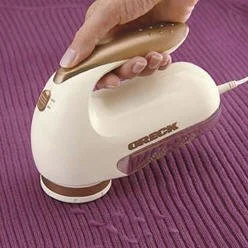
If pilling recurs, the pills can be removed again. You may need to repeat this several times, but pilling often diminishes as excess fibres are removed.
Can I buy fabric that doesn’t pill?
Many upholstery fabrics can pill to some extent, so pilling should be one of several factors to consider when choosing a fabric.
Some fabrics are less likely to pill. Certain manufacturing treatments help secure loose fibres, while a process called singeing removes excess surface fibres.
Smooth, tightly woven fabrics and fabrics made from tightly twisted yarns are generally less prone to pilling because the fibres are held firmly in place.
In fabrics containing fibres of different strengths, such as polyester-cotton blends, weaker fibres may break while stronger fibres hold the resulting pills to the surface, making them more noticeable.
Ultimately, if your furniture develops pills, don’t be alarmed. Pilling can usually be managed and does not necessarily mean the upholstery is made from poor-quality fabric.
Looking to build your team's upholstery knowledge? Explore our Furniture Academy for practical product education and training.